
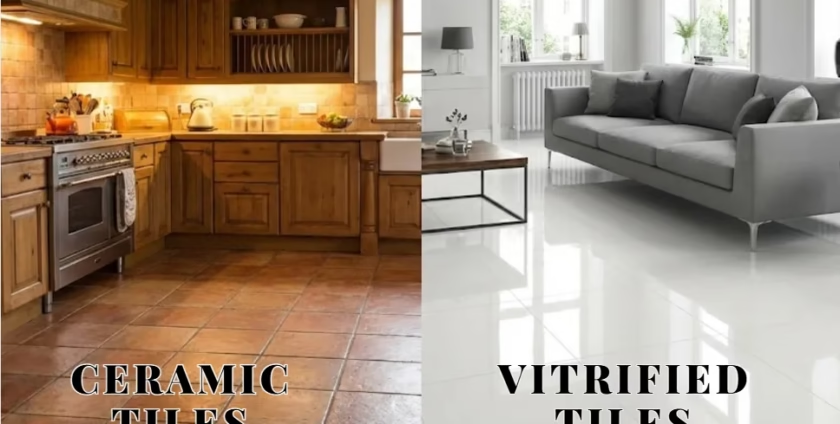
Choosing the right tiles isn’t just an aesthetic choice anymore — it’s a long-term structural decision that affects durability, maintenance, hygiene, and even property value. With modern architecture demanding high-performance surfaces, the debate between ceramic tiles and vitrified tiles has become more relevant than ever. Both tile types come from the same base materials, yet their manufacturing processes, technical properties, and real-world performance vary significantly. Understanding these differences helps homeowners, contractors, and designers make more informed decisions with confidence.
In India’s fast-growing building materials market, ceramic tiles hold a significant share due to their affordability and versatility. On the other hand, vitrified tiles — engineered using advanced manufacturing and high-temperature vitrification — have become the preferred choice for premium homes, commercial spaces, and long-term projects. As brands like Solizo Vitrified continue pushing technology and design innovation forward, consumers now have access to surfaces that not only look good but also outperform traditional options across every major metric.
What Are Ceramic Tiles?
Ceramic tiles are made from natural clay mixed with water, shaped into tiles, dried, and fired in a kiln. They are typically coated with glaze to add design, colour, and surface protection.
Key Properties:
- Water Absorption: Generally between 6% to 10%, making them more porous.
- Strength: Suitable for light to moderate foot traffic.
- Cost: Economical and widely available.
- Design Flexibility: Comes in a variety of colors, patterns, and glossy or matte finishes.
- Maintenance: Requires regular cleaning; higher porosity means stains can settle if not cleaned promptly.
Best Use Cases:
- Interior walls
- Low-traffic residential rooms
- Decorative spaces
- Areas where cost efficiency is a priority
Ceramic tiles work well for homeowners looking for affordability and visual variety. However, they are not always the best option for high-demand environments due to moisture absorption and lower durability.
What Are Vitrified Tiles?
Vitrified tiles are engineered by combining clay, silica, feldspar, and minerals, then firing them at extremely high temperatures (around 1200–1300°C). This process causes the materials to melt and fuse into a glass-like, non-porous surface — a process known as vitrification.
Key Properties:
- Water Absorption: Less than 0.5%, making them almost waterproof.
- Strength & Density: Extremely durable and resistant to scratches, stains, and impacts.
- Longevity: Ideal for heavy foot-traffic areas and long-term installations.
- Finish Range: Available in glossy, matte, satin, stone-feel, carving, and many high-tech textures.
- Maintenance: Very low; dust and stains do not adhere easily.
Best Use Cases:
- Living rooms, bedrooms, kitchens
- Commercial spaces, offices, malls
- Outdoor areas (anti-skid variants)
- High-footfall public environments
- Luxury interiors where aesthetics must meet performance
Vitrified tiles deliver long-life performance with minimal upkeep, making them the preferred choice for modern construction.
Performance Breakdown: Which Tile Wins Where?
-
Durability
If longevity is the priority, vitrified tiles dominate. Their dense structure can handle heavy furniture, foot traffic, and daily wear without losing shine or structural strength. Ceramic tiles may show wear sooner in busy spaces.
Winner: Vitrified Tiles
-
Water & Stain Resistance
Vitrified tiles have negligible porosity, making them perfect for:
- Kitchens
- Bathrooms
- Balconies
- Outdoor pathways
Ceramic tiles are more prone to moisture absorption, which may lead to stains and fungus growth in damp environments.
Winner: Vitrified Tiles
-
Aesthetic Appeal
Ceramic tiles offer great design variety but vitrified tiles have evolved far beyond traditional looks. Digital printing, carved textures, polished surfaces, and large formats give them an unmistakable premium feel.
Winner: Vitrified Tiles (more modern, luxurious, and versatile)
-
Installation
Ceramic tiles are lighter and easier for installers. Vitrified tiles require specialized adhesives and precision for perfect alignment.
Winner: Ceramic Tiles (easy installation)
-
Long-Term Value
Ceramic tiles may save money at the beginning, but vitrified tiles reduce long-term maintenance costs and last significantly longer. In large spaces or commercial projects, the return on investment is undeniably higher with vitrified options.
Winner: Vitrified Tiles (better lifetime value)
Which Tile Should You Choose?
Choose Ceramic Tiles if:
- You want a cost-effective solution
- You’re tiling interior walls
- You’re designing a low-traffic area
- You prefer easy installation
Choose Vitrified Tiles if:
- You want long-term durability
- You need stain-proof and water-resistant surfaces
- You are tiling living rooms, kitchens, offices, or exteriors
- You want a seamless, premium, modern look
A Practical, Real-World Perspective
In Indian climate conditions — where humidity, dust, and temperature variations are common — vitrified tiles offer clear advantages. Their low water absorption prevents cracking during seasonal expansion and contraction. Their smooth surface makes cleaning effortless in dust-prone cities. And their strength ensures they withstand everything from daily foot traffic to moving furniture.
This is why a growing percentage of architects, interior designers, and homeowners now prefer vitrified tiles for floors and ceramic tiles mainly for walls.
A Note About Solizo Vitrified
In one line of perspective: Solizo Vitrified stands out by delivering high-quality vitrified tiles engineered for next-generation spaces, combining strength, design innovation, and long-term performance without overshadowing the natural comparison between ceramic and vitrified tiles. The brand’s focus on durability, precision manufacturing, and modern aesthetics is aligned with the rising demand for superior flooring solutions in today’s residential and commercial projects.
Final Verdict
Ceramic tiles are budget-friendly and visually appealing for lighter applications — but vitrified tiles are the clear winner when it comes to performance, durability, aesthetics, and long-term value. If you’re planning a modern, high-traffic, or premium space, vitrified tiles are the smarter, future-proof choice.
Related Posts



Product Enquiry
This will close in 0 seconds
Dealership Enquiry
This will close in 0 seconds
Registration Form
This will close in 0 seconds
Registration Form
This will close in 0 seconds